Hardwareby BoujeeEnjinia1701 · GitHub · open hardware
Hardware · concept
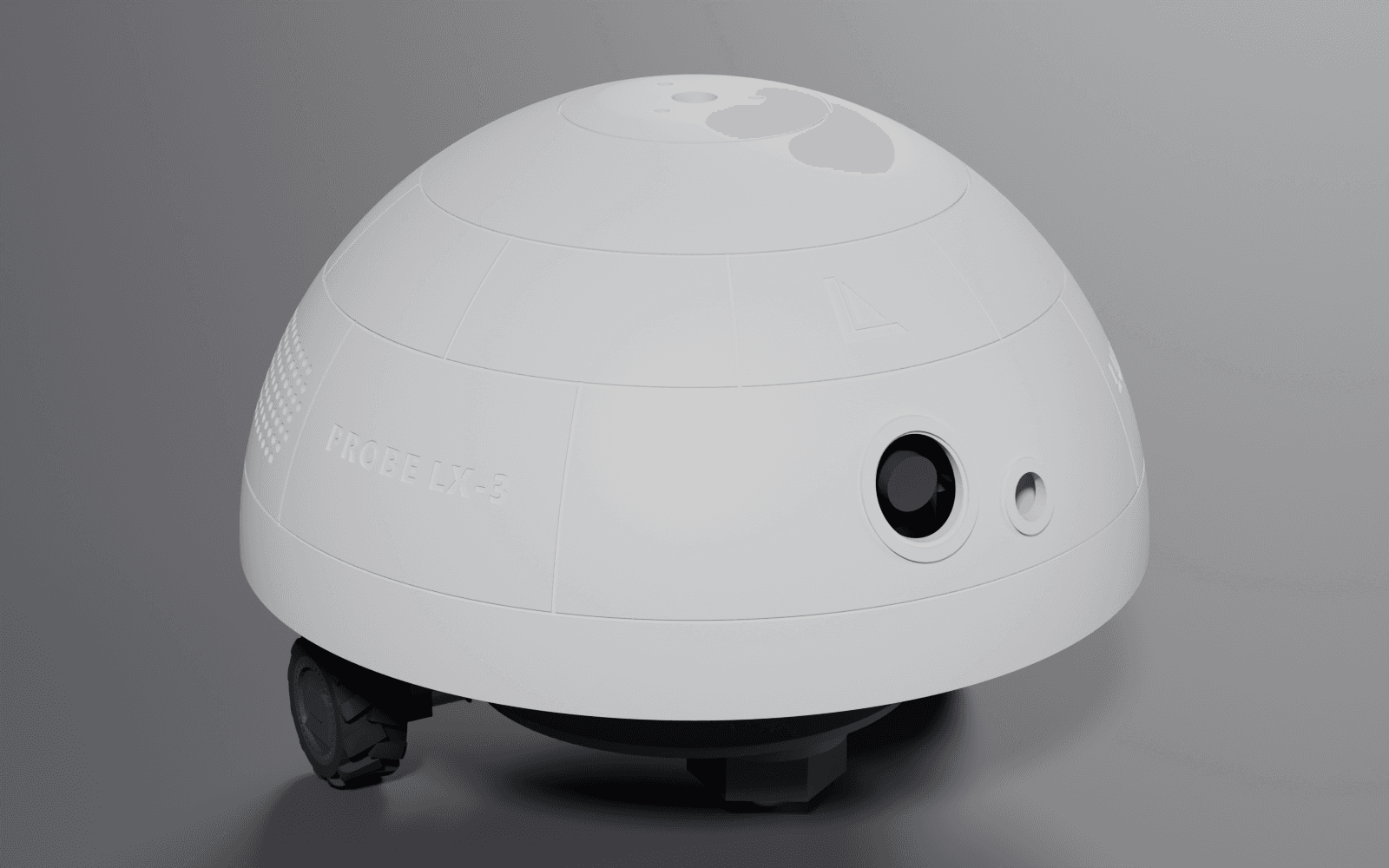
LoadZone, a curbside loading bay sensor concept
A low, battery-powered puck bonded to the road in each loading bay, using a magnetometer and LoRaWAN to report whether the bay is free. Designed as an open alternative to vendor curb data.
Build sheet
- Status
- Proof of concept, TRL 3
- Sensing
- Magnetometer
- Radio
- LoRaWAN
- Licence
- CERN-OHL-S-2.0 / MIT
Can I build this?Expert · AI 2/5 · $100–150
- Difficulty
- Expert
- AI-buildability
- 2/5
- Time
- A few months
- Cost
- $100–150
Firmware and server code are approachable with AI help, but the cast puck, potting, road bonding and radio hardware need physical and fabrication skill.
Tools
3D printercasting mold materialssoldering ironepoxy potting compound
Starter prompt
Based on "LoadZone, a curbside loading bay sensor concept" on Afterware: https://afterware.xyz/p/loadzone-a-curbside-loading-bay-sensor-concept
Write firmware for an ESP32-based or LoRaWAN-enabled battery node that reads a 3-axis magnetometer, such as a QMC5883L, and detects a large steel object parked above it. Use a baseline calibration and a hysteresis threshold to report "free" or "occupied" as a LoRa uplink every 18 seconds, with a heartbeat for battery monitoring. Include a simple Python server that receives the uplinks and keeps the latest state per bay.
Estimates based on the original write-up. Building with an AI assistant? Connect it to Afterware (free MCP server).
Story
LoadZone is a proof-of-concept design for a sensor that sits in the middle of each vehicle slot in a curbside loading bay. The puck is a cast dome over potted off-the-shelf parts, bonded to the road like a raised pavement marker. A magnetometer detects the steel body of a parked vehicle, and a LoRaWAN radio reports "free" or "occupied" to a server, which publishes live bay state to drivers and occupancy and dwell times to the city. A solar e-paper sign on an existing pole is an option for showing status on the street.
The project is documented as a concept at TRL 3, with renders, a general arrangement drawing, sizing calculations and a build plan in the repository. The stated design goals are open firmware and data, a sensor that cannot capture faces or number plates, and a cell budget derated 40 % against a five-year target. The author says it was shaped by lessons from San Francisco's SFpark magnetometer pucks.
The repository lists the status as a proof of concept on paper, so no working prototype is described in the source.
Resources · 1
More like this



More like this
Hardwareby BoujeeEnjinia1701 · GitHub · open hardware Videoby Victor Barahona · GitHub · cyberdeck